Monitoring Cardiac Ejection via the Pulse Wave
The pulse wave is strongly influenced by the heart's ejection dynamics, offering a promising avenue for noninvasive monitoring of cardiac function through pulse wave analysis, including signals acquired from wearable devices.
Our contributions to this field include:



- Demonstrating that ventricular contractility plays a key role in raising and amplifying pulse pressure by altering aortic flow wave morphology, enabling noninvasive assessment of ventricular function via peripheral pulse wave analysis (Front Cardiovasc Med, 2023);
- Establishing the importance of ventricular dynamics in peripheral pulse pressure amplification supported by in vivo studies (Front Cardiovasc Med, 2023), theoretical modelling (Frontiers Physiol, 2021), and experimental data (Am J Physiol, 2017);
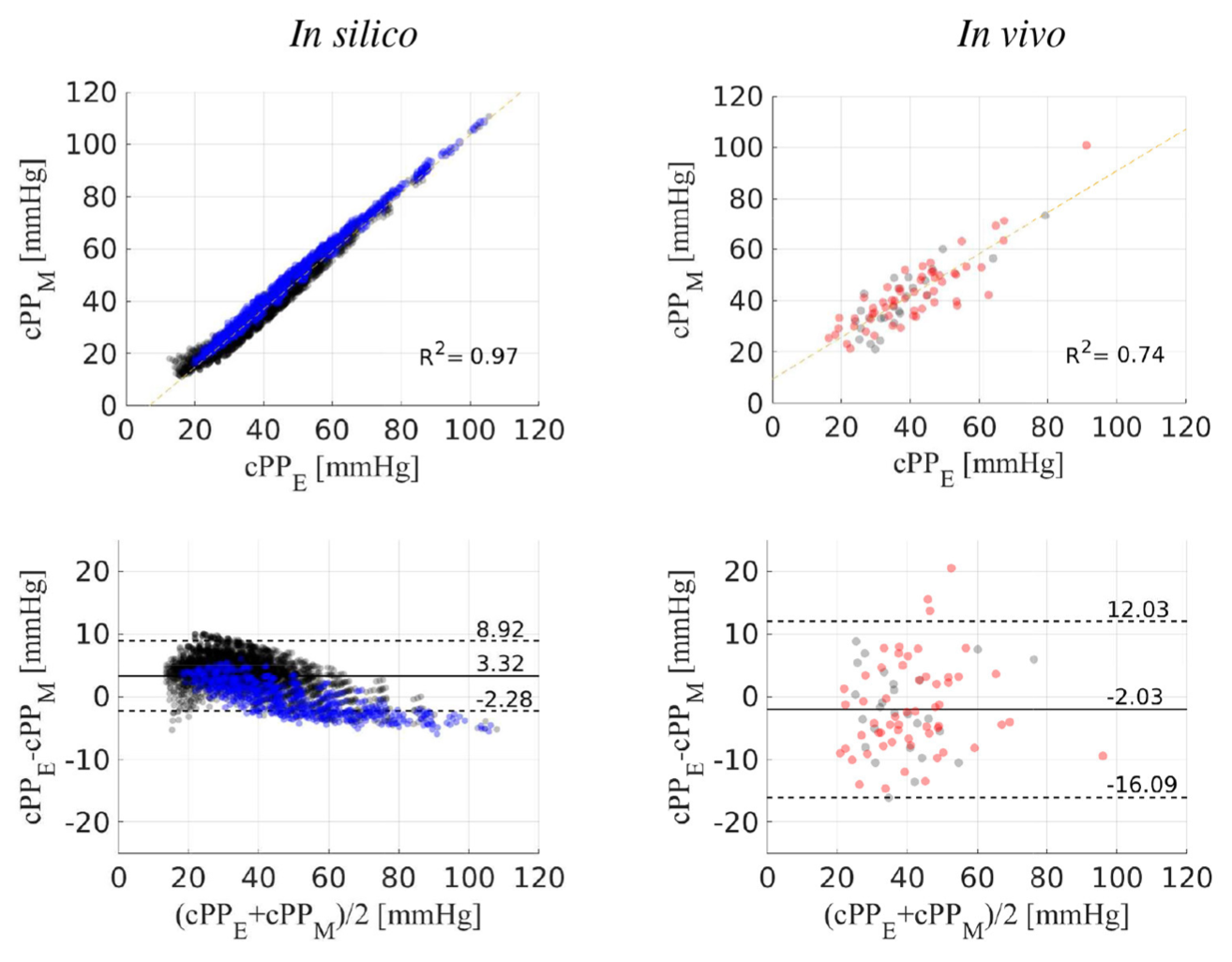
- Identifying the rate of change of aortic flow during late systole (closely linked to ventricular ejection dynamics) as a key determinant of pulse pressure amplification, allowing estimation of central pulse pressure (cPP) from noninvasive measurements of aortic flow and peripheral pressure (Frontiers Physiol, 2021);
- Highlighting the potential of wearable devices to monitor left ventricular ejection time, supporting their role in daily cardiovascular health tracking (Proceedings (MDPI), 2018);
- Quantifying pressure wave generation and reflection at the aortic root using a time-varying emission coefficient proportional to aortic flow, with its peak increasing alongside cPP. This work underscores ventricular–aortic coupling as the primary determinant of cPP elevation (IEEE Trans Biomed Eng, 2021);


Funders