Signal Processing
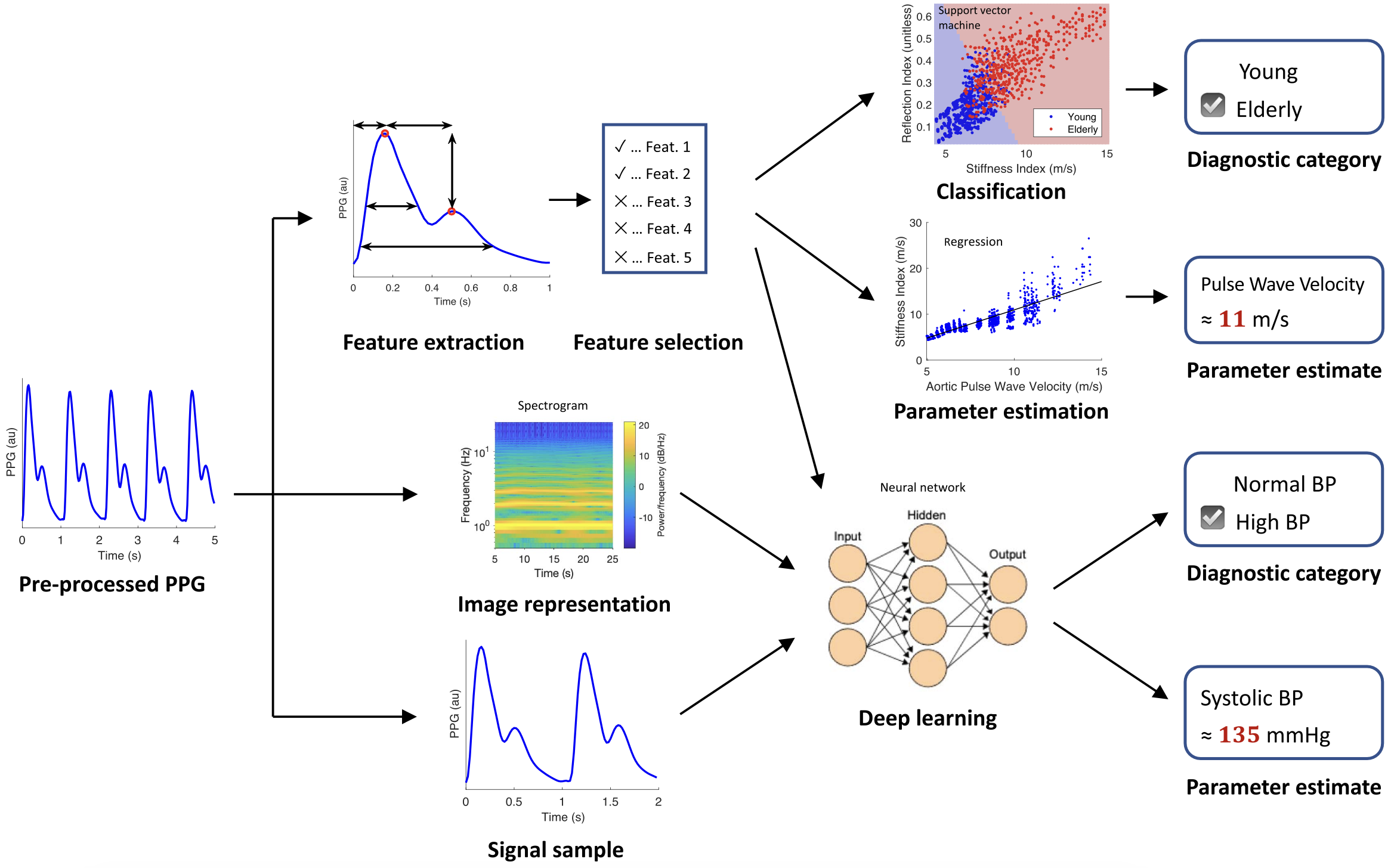
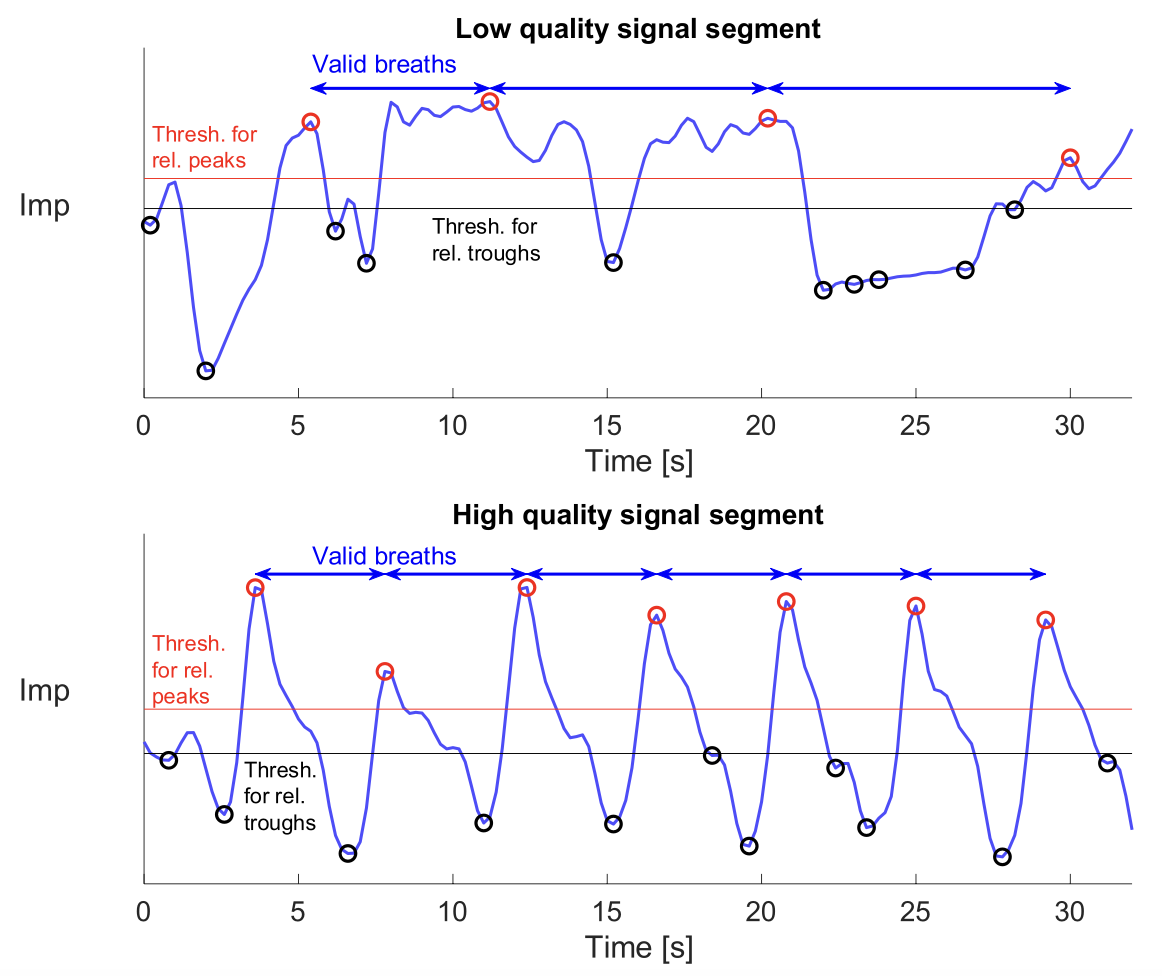
We develop signal processing techniques to extract health insights from pulse wave signals, which reflect cardiovascular, respiratory, and autonomic nervous system activity. Our methods include statistical modelling, machine learning (ML), and physics-based approaches to support clinical decision-making.
 Our contributions to the field include:



Our contributions to the field include:
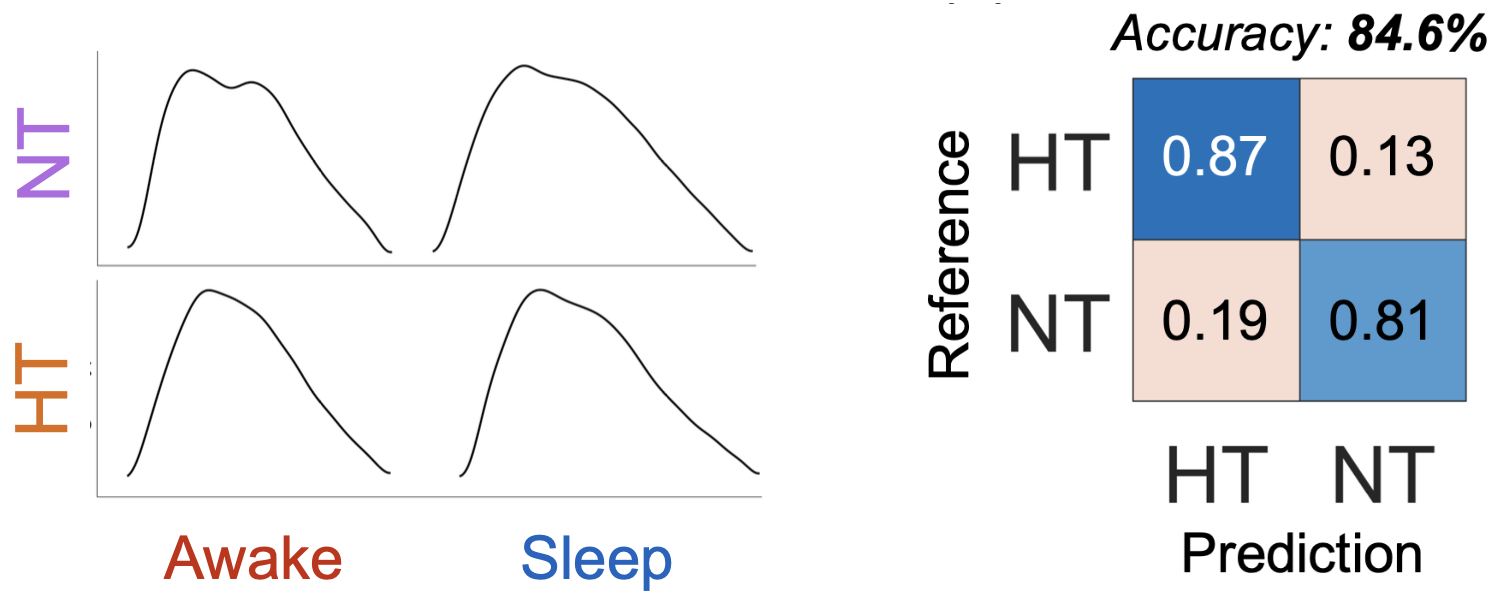
- Hypertension screening: ML models trained on awake–sleep PPG differences (Aurora-BP, n=180) can distinguish normotensive from hypertensive individuals when tested on an external dataset (CUHK-BP, n=26) (Eur Heart J Digit Health, 2026);
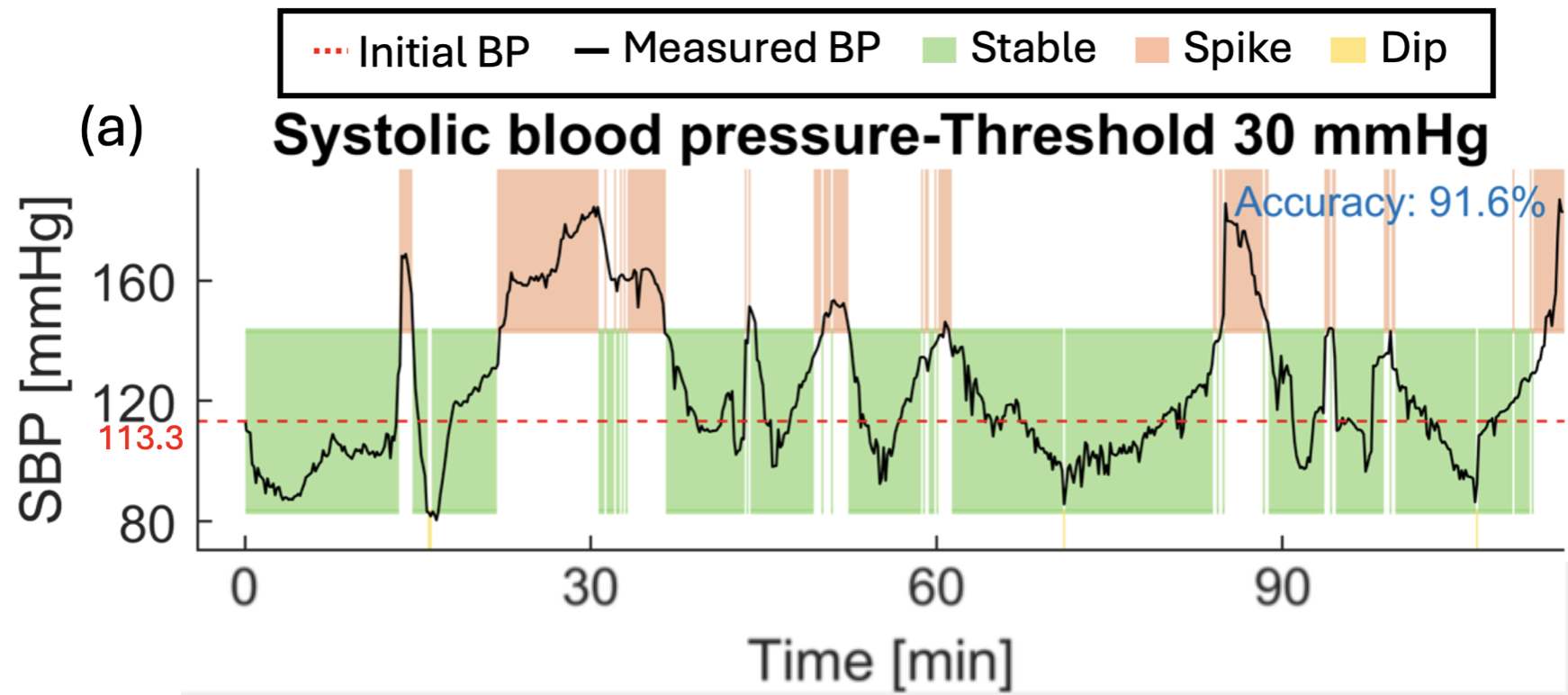
- Blood Pressure (BP) Change Monitoring: Real-time detection of BP directional changes offers a reliable alternative to regression models for alerting BP changes above or below set thresholds (Biomed Signal Process Control, 2025), with publicly available models, training code and preprocessing scripts;
- Wearable Cardiac Monitoring: Demonstrated that wearables can track left ventricular ejection time (Proceedings (MDPI), 2018) and contractility (Int J Numer Meth Biomed Engng, 2022; Proceedings (MDPI), 2018), important markers of cardiovascular health and hypertension progression (Front Cardiovasc Med, 2023);
- Wave Reflection Analysis: Quantified pressure wave generation and reflection at the aortic root using a time-varying emission coefficient linked to aortic flow, showing ventricular–aortic coupling as a key driver of central pulse pressure (IEEE Trans Biomed Eng, 2021);
- Pulse Wave Velocity Estimation: ML enables accurate pulse wave velocity prediction from a single peripheral waveform (PLoS One, 2021);
- Vascular Ageing: PPG-based indices show potential for daily monitoring of vascular ageing (Am J Physiol, 2023);
- Mental Stress Detection: High-quality PPG sensors could enable robust monitoring of mental stress, a known cardiovascular risk factor (Healthc Technol Lett, 2020);
- Post-Exercise Recovery: Vascular recovery after intense exercise can be assessed using PPG signals (Proc. MDPI, 2018).
Funders